Table of contents
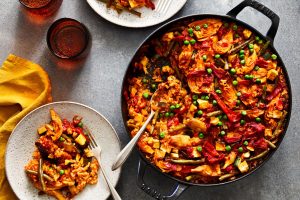
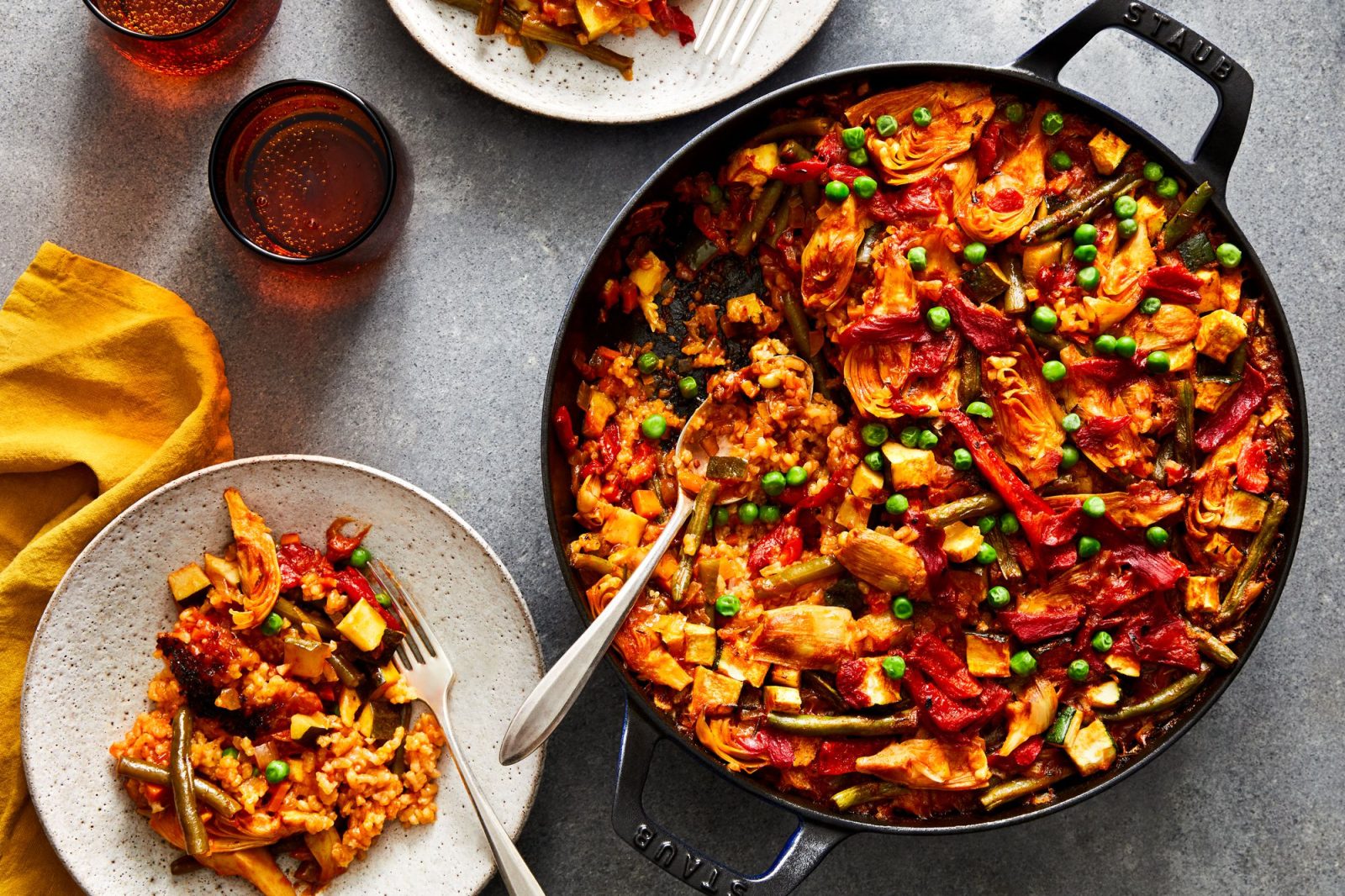
Few dishes capture the essence of Spanish cooking like a beautifully golden, aromatic pan of paella. Traditionally associated with seafood or meats, paella has evolved into countless variations, and one of the most flavorful among them is the Vegetarian Saffron Paella. This version brings together the floral depth of saffron, the sweetness of caramelized vegetables, and the creamy firmness of paella rice, all cooked in a single shallow pan that delivers incredible flavor and texture.
This guide takes you step-by-step through ingredients, timing, technique, Spanish culinary history, and tips to help you master one of the world’s most celebrated dishes, even if it’s your first time cooking paella.
Introduction to Vegetarian Paella
Why This Paella Recipe Stands Out
Vegetarian paella is not just a meat-free alternative; it’s a celebration of vegetables at their peak. The combination of smoky paprika, ripe tomatoes, saffron steeped in warm broth, and vegetables cooked slowly creates a dish layered with flavor. This recipe focuses on simplicity while respecting the traditions that make paella iconic.
The Spanish Origins of Paella
Paella comes from Valencia, where farmers originally prepared it using rice, tomatoes, beans, and sometimes snails or rabbit. Over centuries, seafood versions became popular along coastal regions—but vegetarian paella remains closest to the dish’s rustic beginnings. What makes paella distinct is the shallow pan, the socarrat (the crispy roasted rice layer), and the slow cooking technique that favors absorption rather than stirring.
Key Ingredients Overview
What Makes Saffron Essential
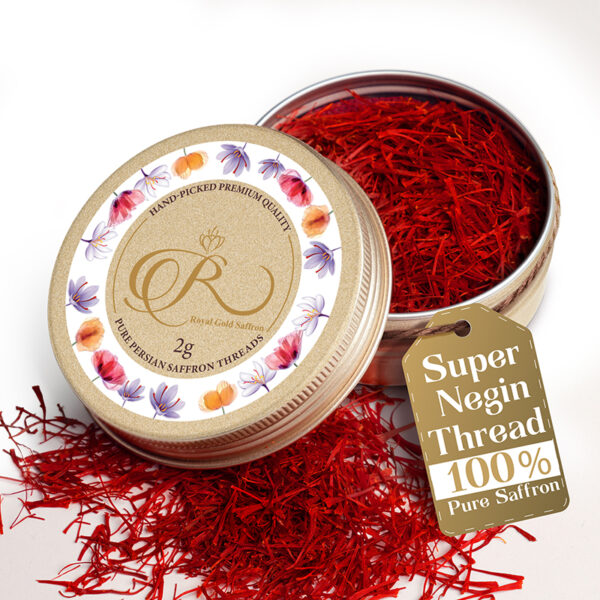
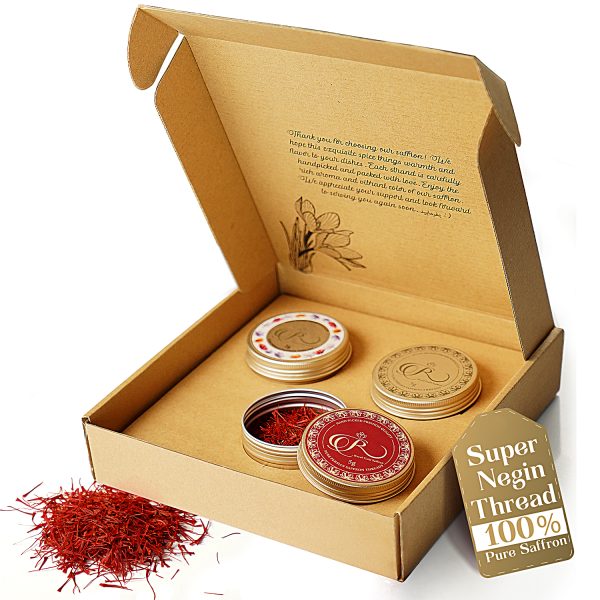
Saffron is the soul of paella. Just a pinch of these delicate red stigmas transforms the broth into a fragrant, golden elixir. When properly bloomed in warm liquid, saffron releases floral, earthy, slightly sweet notes that infuse the entire dish.
The Best Rice for Paella
Short-grain Spanish rice varieties such as Bomba and Calasparra are designed to absorb large amounts of liquid without breaking apart.
Bomba vs. Calasparra Rice
- Bomba absorbs up to 3× its volume in broth but stays firm.
- Calasparra cooks more slowly and develops a creamy outer layer while maintaining structure.
Both work beautifully, but Bomba is more forgiving for beginners.
Fresh Vegetables That Build Flavor
Vegetarian paella relies heavily on vegetable selection. Some provide sweetness, others acidity, and a few offer bite and texture. Common components include:
- Bell peppers
- Ripe tomatoes
- Green beans or broad beans
- Artichokes
- Peas
- Mushrooms
- Roasted red peppers for garnish
Peppers, Tomatoes, Artichokes, Peas
These vegetables add color, sweetness, and complexity. Artichokes especially bring a Mediterranean brightness that pairs perfectly with saffron.
Flavor Base: Sofrito
All authentic paella begins with sofrito—a slow-cooked mixture of onion, garlic, peppers, and tomatoes. This is the flavor foundation of the entire dish and shouldn’t be rushed.
Tools & Equipment Needed
Paella Pan vs. Regular Pan
A paella pan is wide and shallow, allowing the rice to cook evenly in a thin layer that promotes socarrat formation. If you don’t have one, use the widest skillet you own.
Heat Source: Gas, Flame, or Stove
Traditional paella is cooked over open flame. A large gas burner or multi-ring stove works well at home. Electric stoves can also be used but may require rotating the pan.
Ingredient List (Full Measurements)
Vegetables
- 1 red bell pepper, sliced
- 1 yellow bell pepper, sliced
- 1 large tomato, grated or finely chopped
- 1 cup green beans or broad beans
- 1 cup peas (fresh or frozen)
- 1 cup artichoke hearts
- 1 medium onion, diced
- 4 cloves garlic, minced
- 1 cup mushrooms (optional)
Rice & Broth
- 2 cups Bomba or Calasparra rice
- 4.5 cups vegetable broth
- Pinch of saffron threads
Seasoning
- Olive oil (generous amount)
- 1 tsp smoked paprika
- Salt & pepper to taste
Step-by-Step Preparation
Step 1 – Preparing the Vegetables
Wash, peel, chop, and arrange all vegetables beforehand. Paella moves quickly once the pan is hot, so mise-en-place is essential.
Step 2 – Making the Sofrito
Heat olive oil in the pan and slowly cook onions and garlic until soft. Add tomatoes and cook until the mixture thickens and darkens. Sofrito enriches the rice with deep umami flavor.
Step 3 – Blooming the Saffron
Place a pinch of saffron in warm broth and allow it to steep for 10 minutes. The liquid turns golden and fragrant, ready to infuse the rice.
Step 4 – Adding Rice the Right Way
Pour the rice evenly across the pan—do not stir. Let each grain toast lightly in oil and sofrito before adding broth. This step ensures separation and helps develop socarrat.
Step 5 – Building Flavor Layers
Add broth, paprika, beans, artichokes, peppers, and peas. Spread ingredients evenly without mixing. The rice will slowly absorb all liquid.
Step 6 – Creating the Socarrat
Toward the end of cooking, raise the heat briefly to form the caramelized layer of toasted rice on the bottom. Listen for popping sounds—this is a sign that socarrat is forming.
Step 7 – Resting & Finishing the Paella
Remove from heat and cover the pan with a towel. Rest for 10 minutes to settle the flavors and finish steaming the rice.
Texture & Flavor Tips
How to Get the Perfect Socarrat
Do not stir the rice once broth is added. Increase the heat slightly in the last minutes of cooking until you hear the bottom crackle.
Avoiding Mushy Rice
Use the correct rice variety and precise liquid ratios. Never rinse paella rice.
Balancing Acidity & Sweetness
Tomatoes offer acidity, while peppers add sweetness. Adjust with smoked paprika and salt to balance.
Variations of Vegetarian Paella
Vegan Version
Replace any butter with olive oil, and ensure the broth is fully plant-based.
Spicy Paella
Add chili flakes, smoked hot paprika, or roasted spicy peppers.
Mushroom-Rich Paella
Use shiitake, oyster, and portobello mushrooms for a deep, earthy flavor.
Serving Suggestions
Ideal Garnishes
- Lemon wedges
- Roasted red pepper strips
- Fresh parsley
Side Dishes That Pair Well
- Spanish olives
- Garlic bread
- Green salad
Storing & Reheating Leftovers
Best Cooling Practices
Cool paella quickly and store in airtight containers.
Reheating Without Losing Texture
Heat gently in a skillet to re-crisp the rice bottom.
Conclusion
Vegetarian Saffron Paella is a celebration of Spanish cooking, colorful, aromatic, and deeply satisfying. With the perfect ingredients, proper rice technique, and careful attention to sofrito and saffron, you can create a dish that looks stunning, tastes incredible, and brings people together around the table. Whether hosting a dinner party or cooking for yourself, this paella delivers flavor and elegance every time.
10 Unique FAQs
1. Can I use basmati or long-grain rice?
No. They don’t absorb enough liquid and will not create the correct texture for paella.
2. Do I have to use saffron?
Yes, for authenticity—but you can substitute turmeric for color only. The flavor will differ.
3. Can I make paella without a paella pan?
Yes. Use the widest shallow skillet you own.
4. Why shouldn’t I stir paella rice?
Stirring releases starch and prevents socarrat formation.
5. Can I double the recipe?
Only if you use a larger pan. Rice must cook in a thin, even layer.
6. How do I keep vegetables from getting mushy?
Add firmer vegetables early and delicate vegetables later.
7. Can I freeze leftover paella?
Yes, but texture is best when eaten fresh or refrigerated for up to 3 days.
8. Why is my paella pale?
You may have skipped saffron blooming or used low-quality saffron.
9. Can I add tofu or plant-based meat?
Absolutely—add during the last 10 minutes so it doesn’t dry out.
10. How do I know when socarrat is ready?
Listen for faint crackling and smell a toasty aroma but not burning.
More About Saffron Applications:
- Saffron (Crocus sativus L.): A Source of Nutrients for Health
- Saffron (Crocus sativus) for depression
- How Saffron Could Benefit Your Health
- Effect of saffron supplementation on oxidative stress markers
- Crocin